For food truck builds, durability, hygiene and efficiency are non-negotiables—not just nice-to-haves. Enter aluminum checker plate: the unsung hero of high-performance mobile kitchens.
Crafted from lightweight yet robust aluminum alloys, this textured metal is engineered to handle the chaos of a moving kitchen—from heavy equipment to constant foot traffic—while keeping your space sleek, safe, and easy to clean.

Why Aluminum Checker Plate?
- Unbeatable Durability: Our top-grade alloys (3003, 5052, and 1060) resist rust, dents, and corrosion—critical for food service environments exposed to spills, moisture, and outdoor elements.
- Perfect Thickness for Every Use:
- Floors & Countertops: 2.0–3.0mm thickness balances strength (to support grills, fryers, and staff) and weight (to keep your truck fuel-efficient).
- Walls & Paneling: 1.2–2.0mm sheets add structural integrity without bulk, while the non-slip texture boosts safety in busy, slippery spaces.
- Hygiene by Design: Smooth, non-porous surfaces wipe clean in seconds—meeting strict food safety standards with minimal effort.
- Lightweight Advantage: Aluminum is 1/3 the weight of steel, so your truck stays agile on the road and cuts down on operational costs.
Applications in Food Trucks
Aluminum checker plate isn’t just a “one-size-fits-all” material—it’s tailored to the unique demands of mobile food spaces, with cost efficiency built in, and shines in these hyper-specific food truck scenarios, where its key advantages solve real operational pain points:
- Flooring (2.5mm 3003 alloy):Typical cost per sq. ft: $8–$12.Beats steel (cost: $10–$15/sq. ft) and is lighter (saves ~20% on long-term fuel costs for a 16ft truck).
- Specific Application: Line the entire footwell of your taco truck, where grease splatters and soda spills are daily occurrences. The non-slip diamond texture—a core advantage—keeps your crew from slipping during peak lunch rushes at downtown curbs, even when the truck is parked on a slight incline. Its corrosion-resistant 3003 alloy composition ensures it won’t rust or degrade from constant exposure to acidic spills like salsa or lemon juice, while its high load-bearing capacity withstands the constant drag of heavy grills, fryers, and storage bins being rolled in and out for deep cleaning. Unlike steel, its lightweight property keeps the truck’s overall weight low, improving fuel efficiency and reducing wear on the vehicle’s suspension.

Prep Counters (2.0mm 5052 alloy):
Typical cost per sq. ft: $10–$14.
More durable than plywood (cost: $4–$6/sq. ft, but needs annual replacement) — saves ~$500/year in maintenance.
Specific Application: Construct the fold-out serving counter of your coffee truck, where baristas repeatedly set down heavy espresso machines, milk crates, and pastry displays. For a burger truck, use it as the core of the prep island, where its enhanced strength (5052 alloy’s key advantage) resists knife scratches, ketchup stains, and the weight of 50lb bags of potatoes stacked during weekend festival events. Its corrosion resistance is a game-changer for seafood trucks, where saltwater and citrus juices would quickly damage other materials, and its smooth, non-porous surface allows for quick wipe-downs between orders—upholding strict food hygiene standards with minimal effort. Unlike plywood, it requires no annual sealing or replacement, delivering long-term cost savings through reduced maintenance.

Storage Shelves (1.5mm 1050 alloy):
Typical cost per sq. ft: $6–$9.
Cheaper than stainless steel shelves (cost: $15–$20/sq. ft) while matching hygiene standards.
Specific Application: Build wall-mounted shelves inside your food truck for storing condiment bottles, disposable utensils, and dry ingredient bags. In a mobile pizza truck, these shelves can hold stacks of pizza boxes and tubs of pizza sauce without warping—thanks to the structural rigidity of the 1050 alloy—even when the truck jostles down bumpy back roads to cater private events. The non-porous, easy-to-clean surface is a critical advantage here: no trapped food particles mean you can sanitize the shelves in minutes between shifts to meet health department regulations, while its cost-effectiveness (a fraction of the price of stainless steel) lets you build more storage space without exceeding your budget.

Exterior Paneling (2.0mm 3003 alloy):
Typical cost per sq. ft: $9–$13.
Resists scratches better than vinyl wraps (cost: $5–$8/sq. ft, but needs reapplication every 2–3 years) — lasts 10+ years with no upkeep.
Specific Application: Cover the lower half of your food truck’s exterior, where it’s most vulnerable to scrapes from parking lot curbs, shopping cart collisions at farmer’s markets, and road debris kicked up during highway transport. Its scratch-resistant texture and corrosion-resistant 3003 alloy ensure it maintains a professional look for years, while its UV stability prevents fading even under constant sun exposure—an advantage over vinyl wraps that crack and discolor over time. For a dessert truck, use it to line the exterior serving window ledge, where its stain-resistant surface repels sticky ice cream and caramel spills from customer orders, and its low-maintenance property means no reapplication or touch-ups—just a quick wash down at the end of the day.
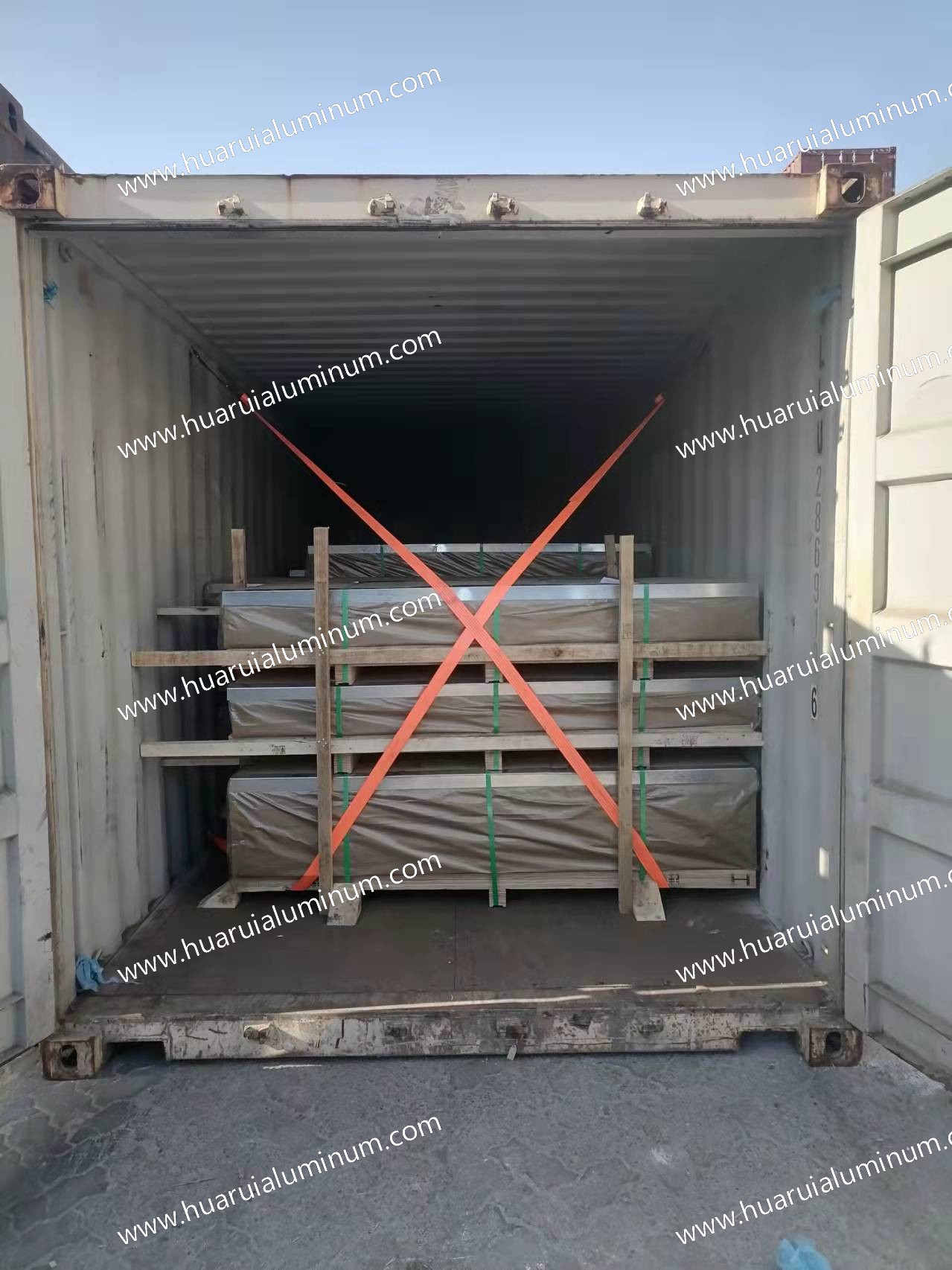
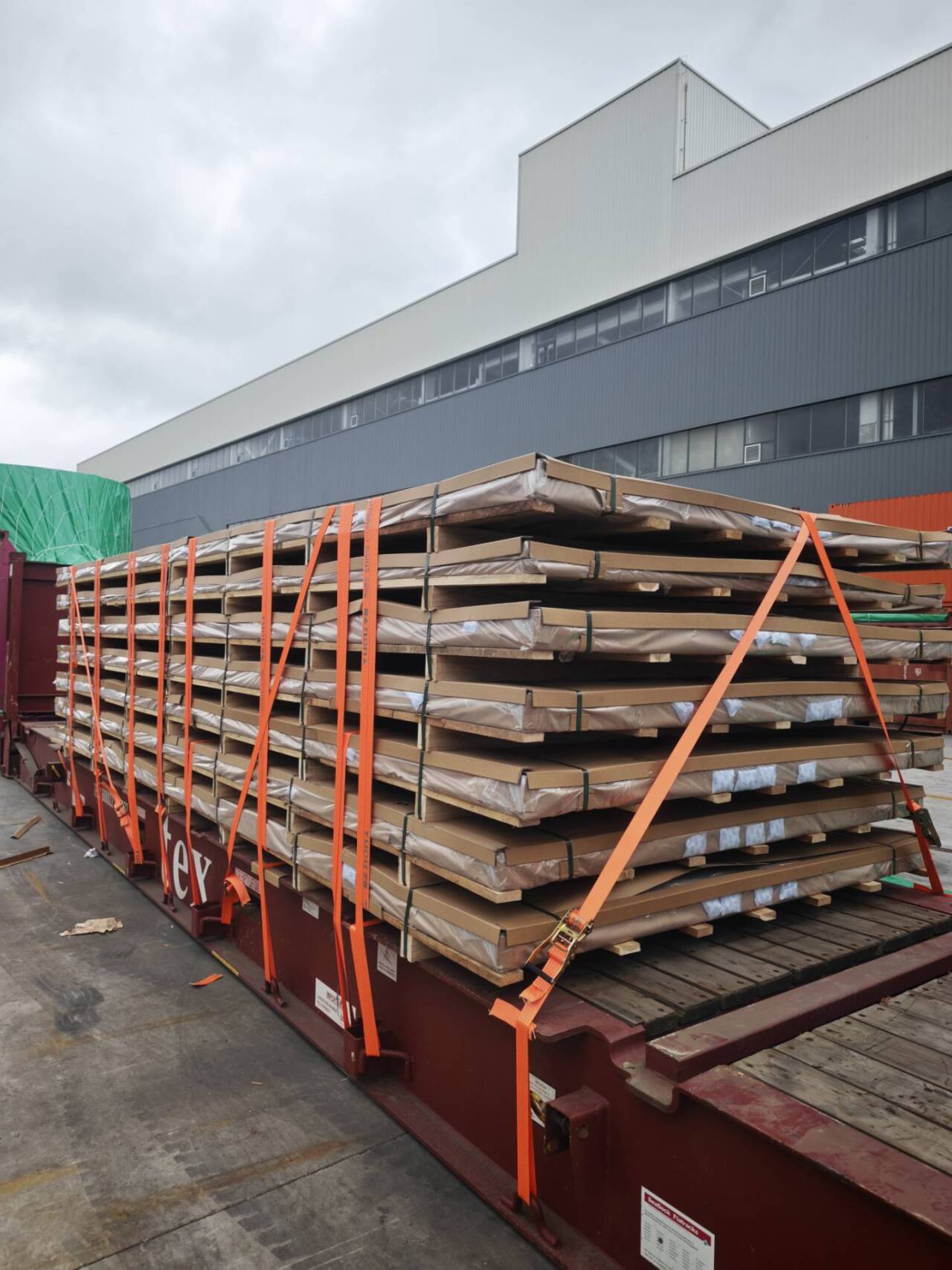
Packaging & Shipping
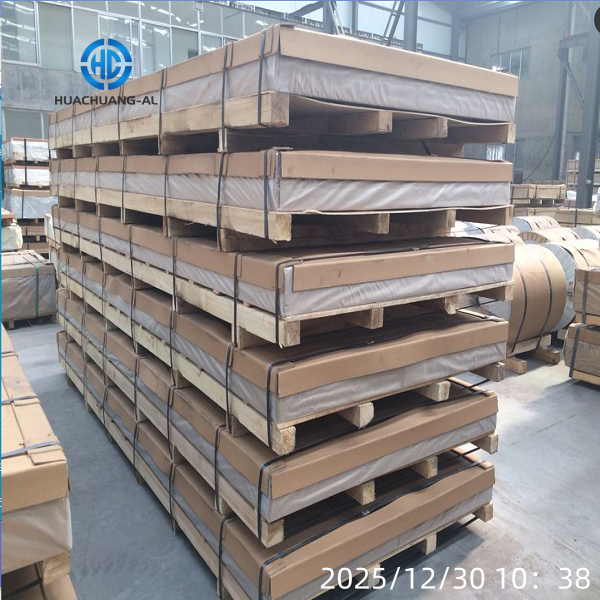
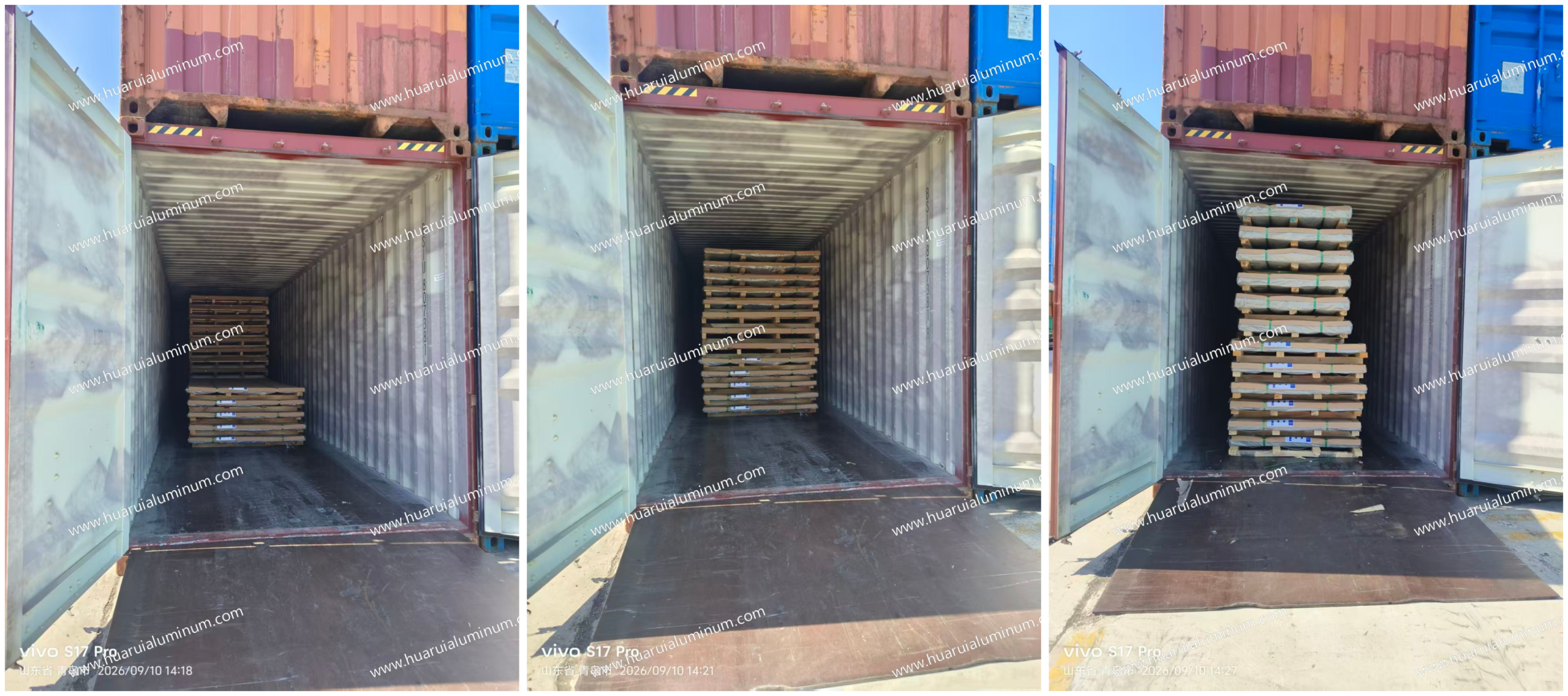
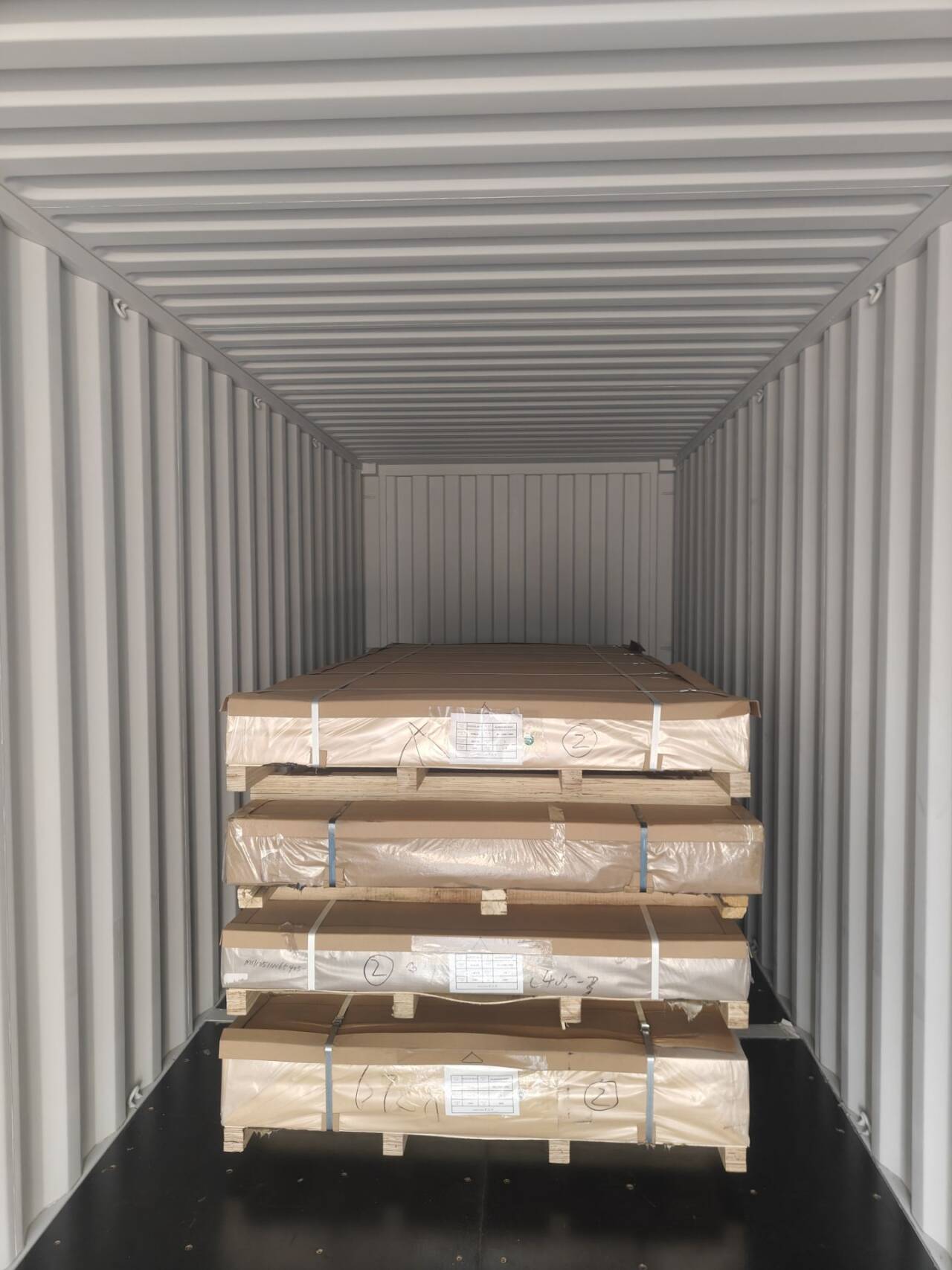
We understand that aluminum checker plate’s surface integrity is critical to its performance in food truck applications—which is why we’ve designed a packaging and shipping system that preserves its texture, finish, and structural quality from our factory to your build site.