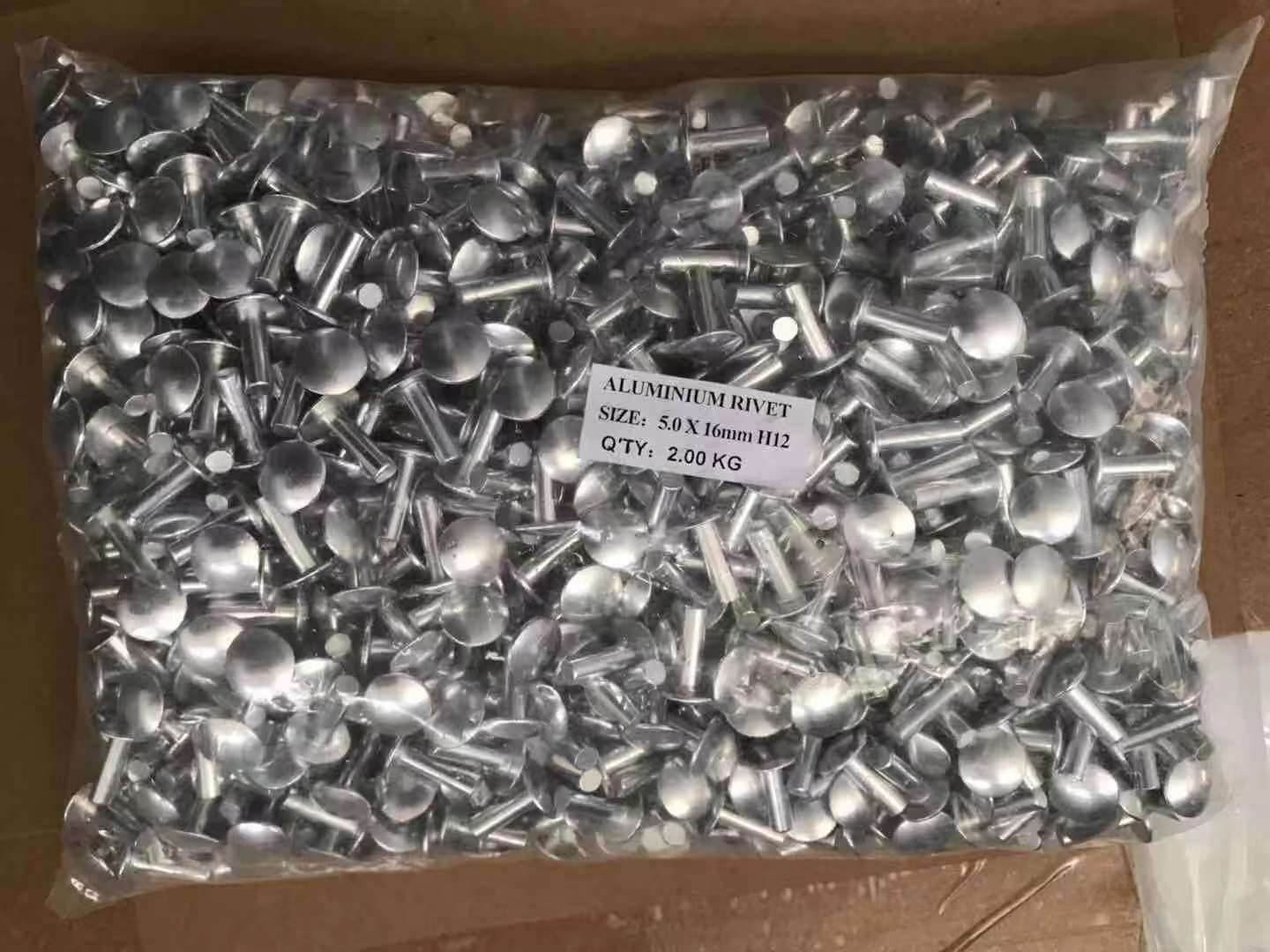
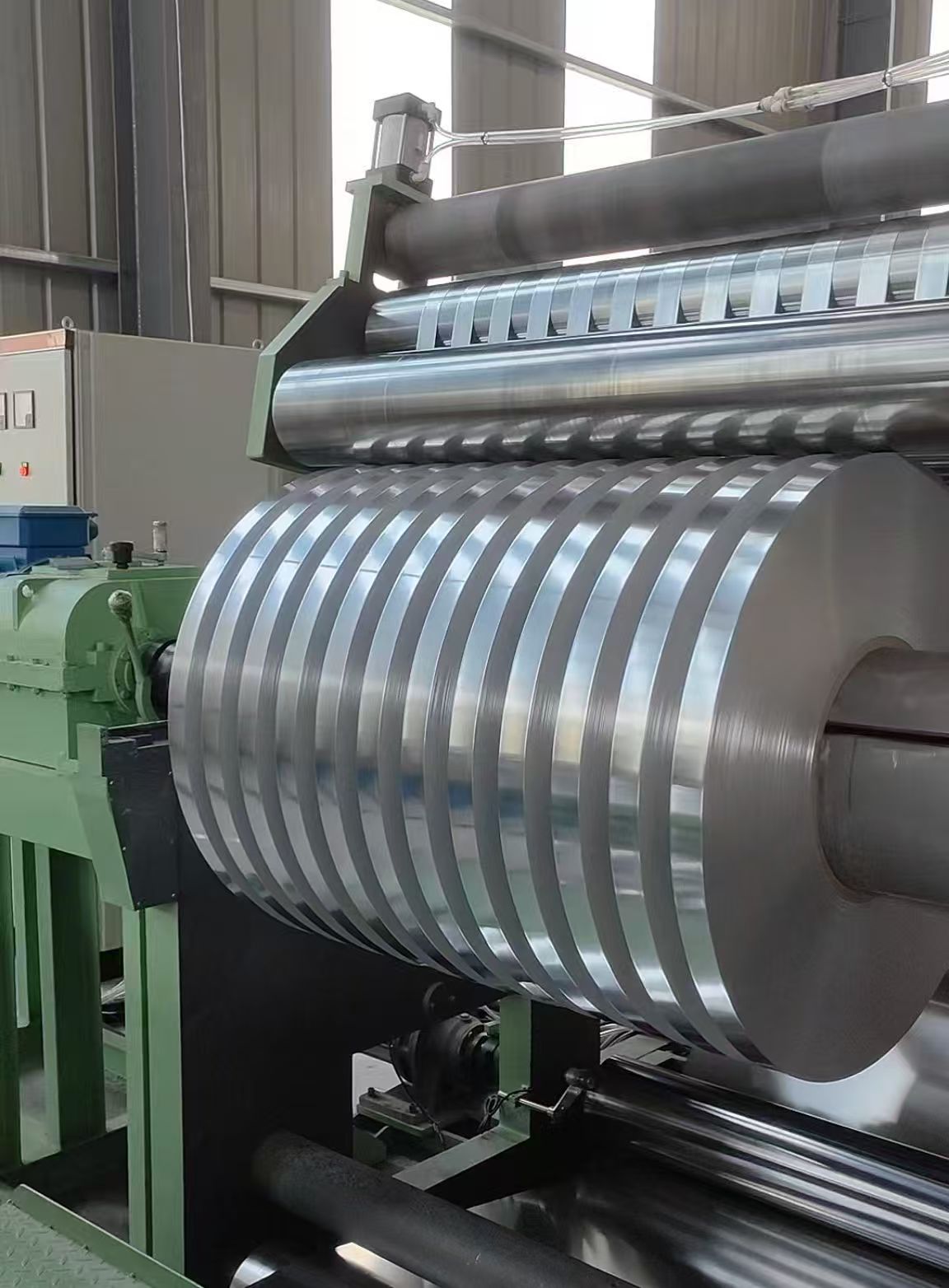
Aluminum rivets are small but critical components widely used in the manufacture of pots, pans, and various kitchen utensils. This article explores the material properties, common types and sizes, and primary applications of aluminum rivets in the cookware industry, helping you understand why they are the fastener of choice for durable and high-quality kitchen products.
Why Aluminum Rivets are Ideal for Cookware
In cookware manufacturing, fasteners must meet several stringent requirements. They need to be lightweight, corrosion-resistant, capable of withstanding high temperatures and frequent thermal cycling, and safe for food-contact applications. Aluminum rivets excel in all these areas.
Aluminum rivets are typically made from pure aluminum or aluminum alloys. A particularly common and suitable alloy for cookware is 5056 aluminum alloy. This Al-Mg series alloy contains 4.5%-5.6% magnesium, providing excellent corrosion resistance—a key property for components exposed to steam, water, and various cleaning agents.
Compared to steel fasteners, aluminum rivets offer a significant weight reduction, making pots and pans easier to handle. Their natural resistance to rust ensures the longevity and aesthetics of the cookware, preventing unsightly stains that can occur with ferrous metals. Furthermore, aluminum’s good thermal conductivity helps prevent the formation of localized hot spots at the joint, contributing to more even cooking.
Common Types of Aluminum Rivets in Kitchenware
Different rivet types are selected based on their specific function and desired finish on the cookware. The most common types include:
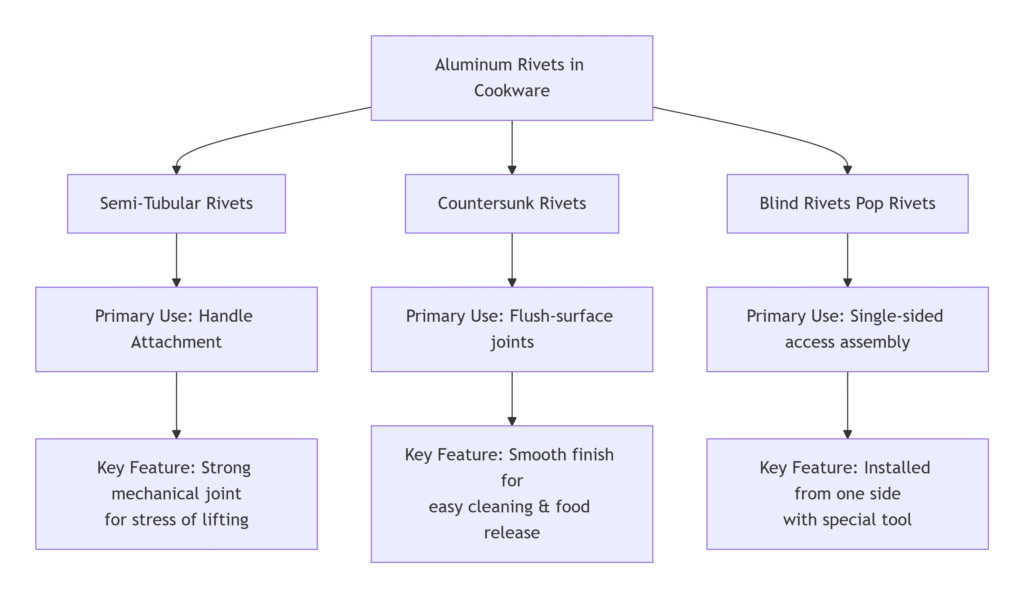
- Semi-Tubular (or Semi-Hollow) Rivets: These are frequently used for attaching handles to pots and pans. The semi-hollow shaft deforms easily during installation, creating a strong, reliable joint that can withstand the mechanical stress of lifting and moving a full pot.
- Countersunk (or Flat Head) Rivets: When a smooth, flush surface is required, countersunk rivets are the ideal choice. They are often used in applications where food might otherwise catch on a protruding rivet head, facilitating easier cleaning.
- Blind Rivets (Pop Rivets): These are invaluable for assembly situations where access is only available from one side of the material. A specialized tool pulls a mandrel to expand the rivet body, securing the pieces together.
Below is a schematic diagram illustrating the common types of aluminum rivets used in cookware manufacturing, showing their typical placement and function:
Key Applications in Cookware Production
The primary function of aluminum rivets in kitchenware is to create strong, permanent joints between different components.
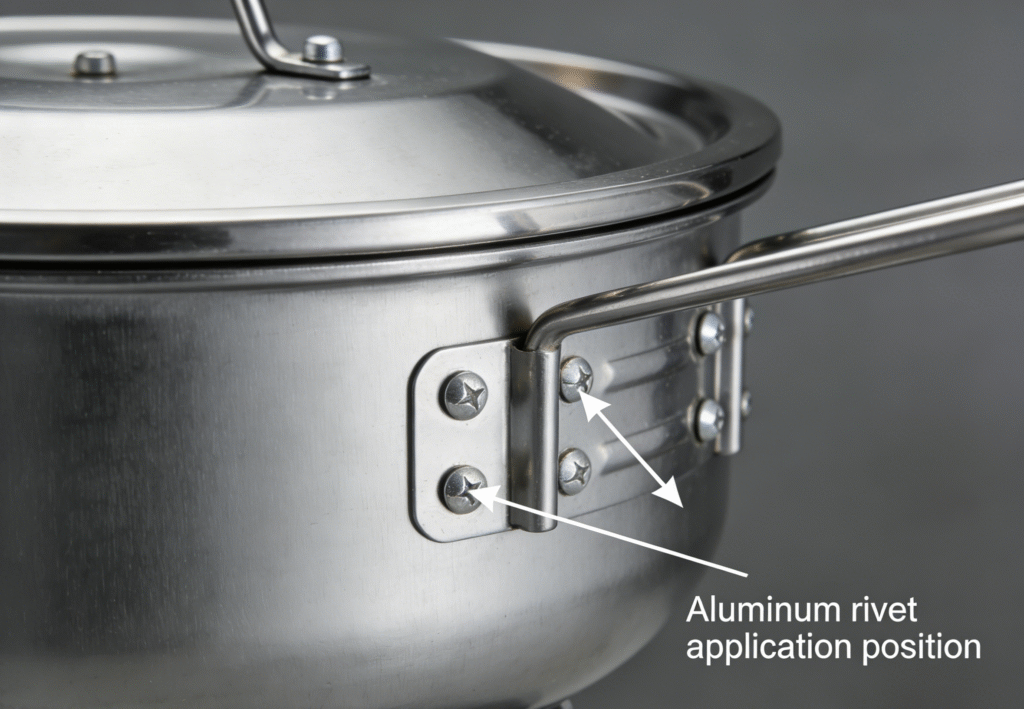
Handle Attachment: This is the most critical and demanding application. Rivets securely fasten metal or phenolic handles to the body of pots, pans, and lids. The joint must endure constant shear stress, weight, and thermal expansion as the cookware heats and cools. Semi-tubular rivets are predominantly used here for their superior strength.
Knob and Lug Fastening: Similar to handles, rivets are used to attach control knobs on lids or lugs (small handles) on the sides of cookware like Dutch ovens and casserole dishes.
Nameplate and Branding Badge Fixing: Many manufacturers use small, often decorative rivets to attach metal brand logos or information plates to their cookware.
Size Selection Guide for Cookware Manufacturing
Selecting the correct rivet size is crucial for both the strength and appearance of the final product. The size is defined by the diameter and the length (or grip range) of the rivet’s body.
القطر: Common diameters for cookware rivets range from approximately 2.0 mm to 4.8 mm (about 0.08 to 0.19 inches). The diameter must match the drilled hole precisely to ensure a tight fit.
Length/Grip Range: The length must be chosen based on the total thickness of the materials being joined. A standard rivet for attaching a handle might have a length between 6 mm and 12 mm. The rivet must be long enough to fill the hole and form a proper “bucktail” on the opposite side without being excessively long.
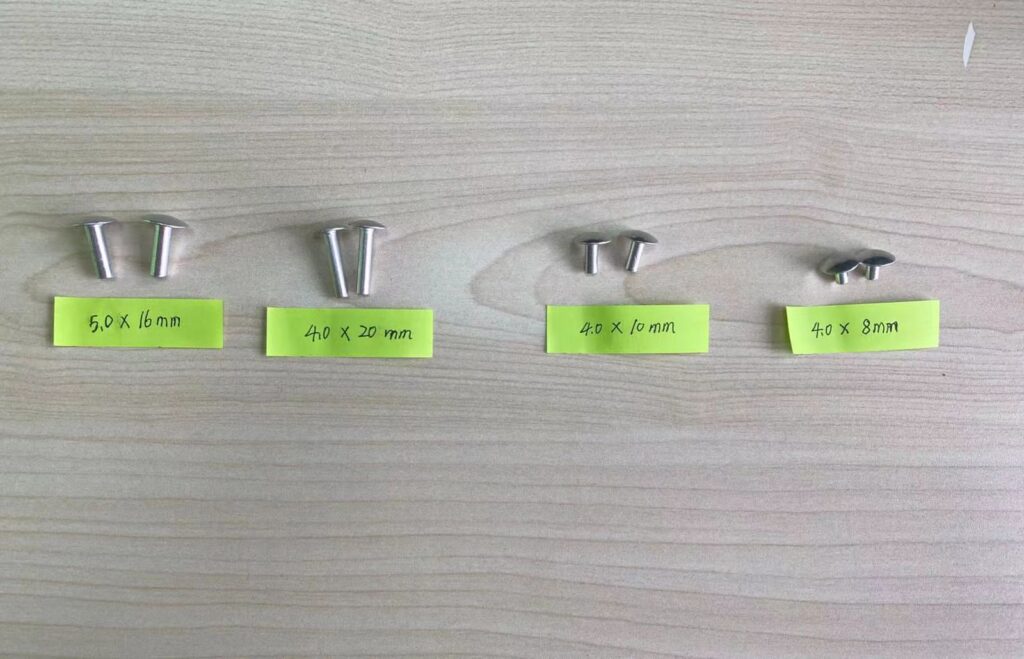
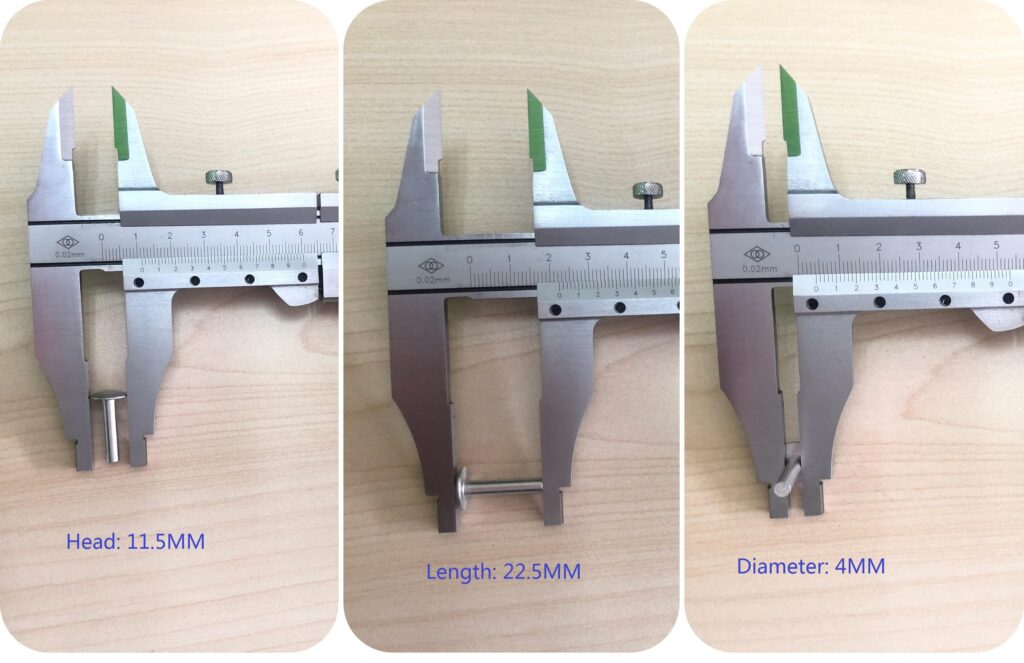
The table below provides a quick reference for common aluminum rivet sizes and their typical applications in cookware:
| Rivet Diameter (mm) | Common Length (mm) | Typical Cookware Application |
|---|---|---|
| 2.4 – 3.0 | 6 – 8 | Attaching small lid knobs, fixing thin nameplates. |
| 3.2 – 4.0 | 8 – 12 | Most common size for handle attachment on medium-sized pots and pans. |
| 4.8 – 6.0 | 10 – 16 | Attaching heavy-duty handles on large stockpots, Dutch ovens, or commercial cookware. |
Installation Note: For production settings, rivets are typically set using automated or pneumatic riveting machines that ensure consistent pressure and a uniform finish. For repair work, they can be set manually with a hammer and bucking bar, or using a pop rivet tool for blind rivets.
الخاتمة
From securing a pot handle that will bear years of daily use to providing a clean, flush finish on a baking sheet, aluminum rivets are indispensable in cookware construction. Their unique combination of light weight, exceptional corrosion resistance, and adequate strength makes them perfectly suited for the challenging kitchen environment. By understanding the materials, types, and sizing of these small components, manufacturers can ensure their products are not only functional and safe but also built to last.