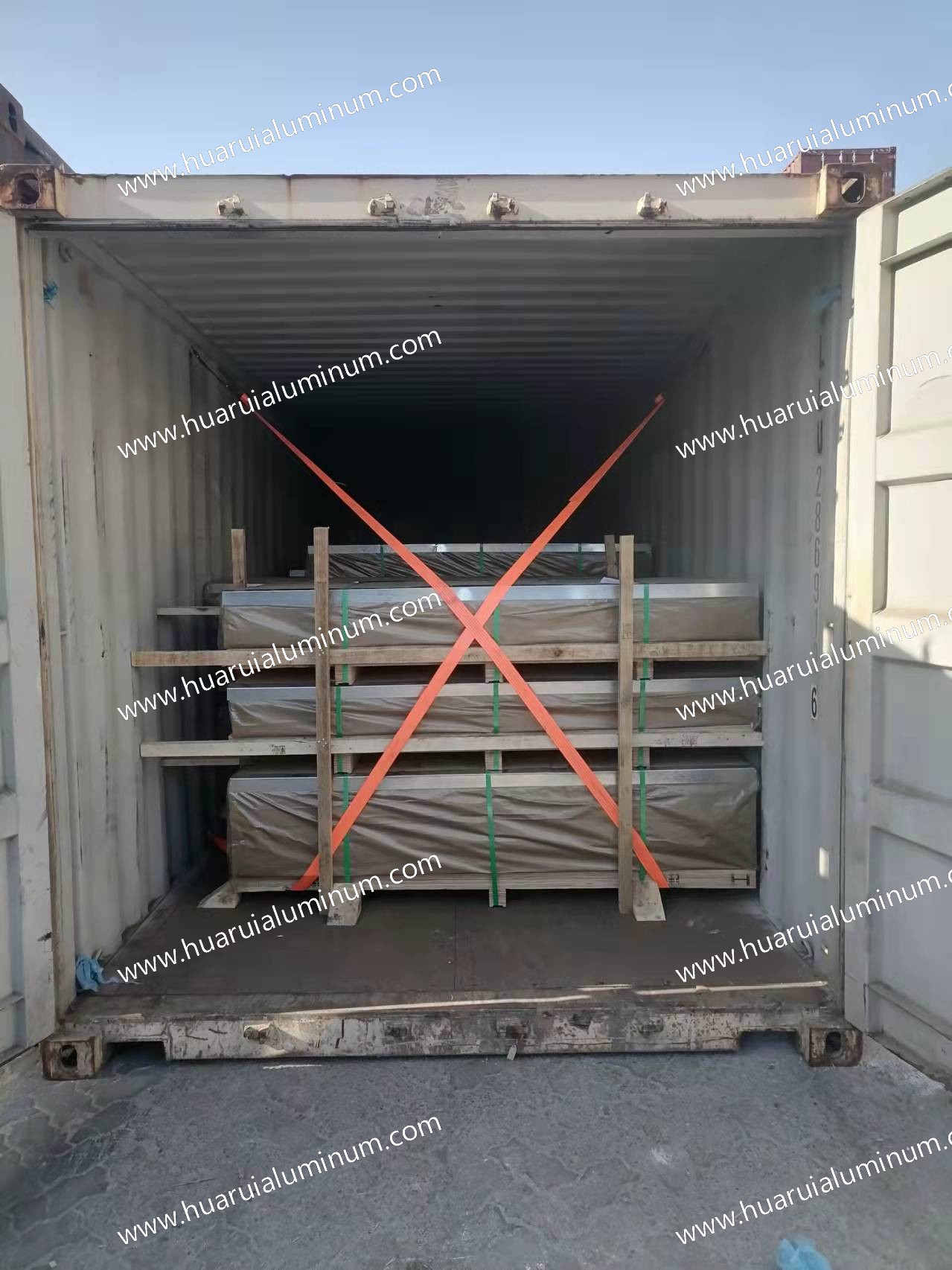
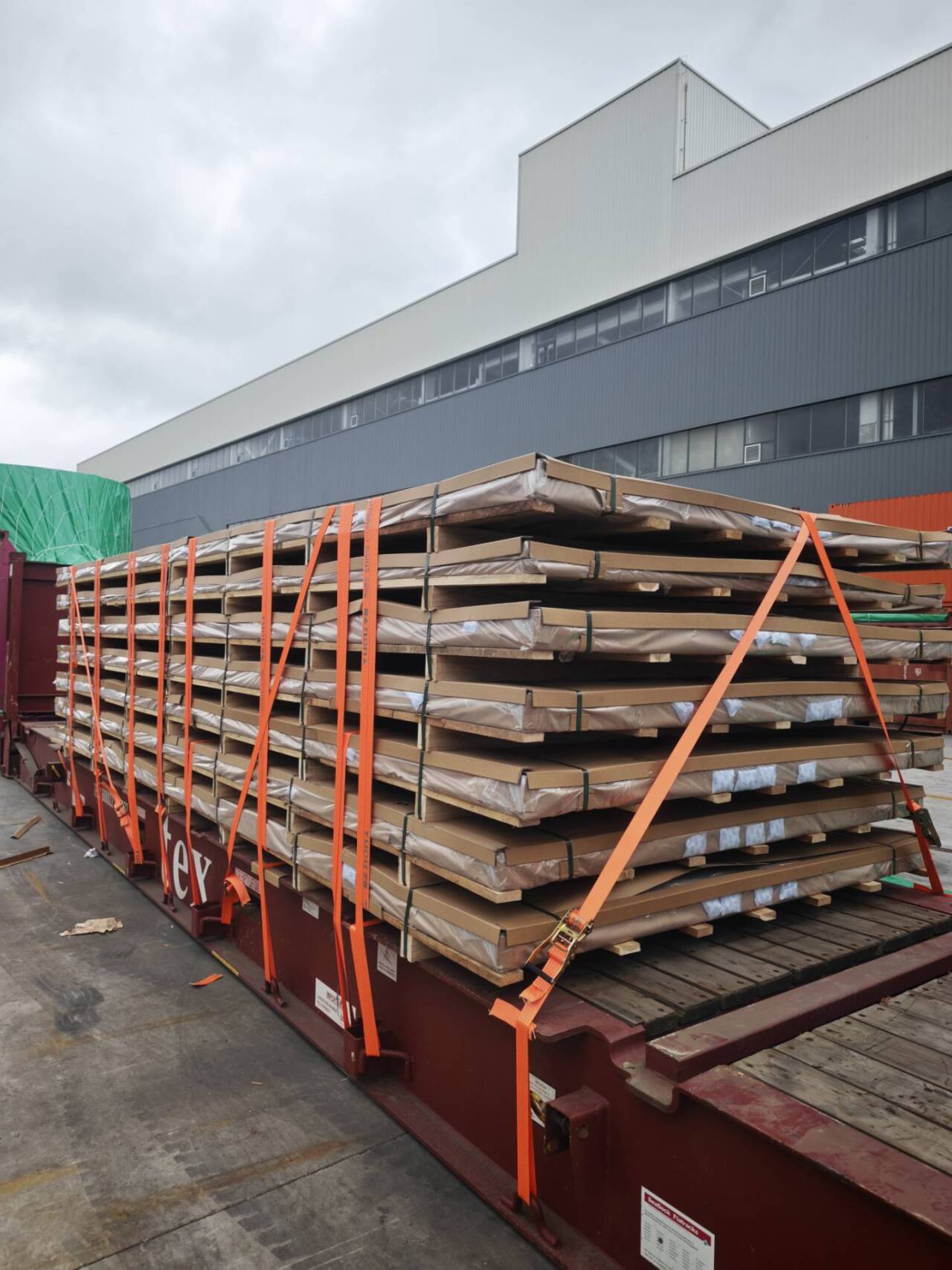
The maritime industry increasingly turns to aluminum for its exceptional combination of lightweight properties, high strength, and superior corrosion resistance in harsh saltwater environments. Among the most critical components are marine aluminum profiles—extruded shapes specifically designed for shipbuilding, offshore platforms, and marine structures. This guide explores the key alloys, profile types, and international certifications that define modern marine aluminum solutions.
Key Marine Aluminum Alloys & Tempers
Selecting the right alloy is fundamental to performance. The most common marine grades fall within the 5xxx and 6xxx series, each offering distinct advantages.
1. Alloy 5083 (H116 / H321)
- Type: Al-Mg (non-heat-treatable).
- Properties: Excellent resistance to seawater corrosion, high strength after welding, and good toughness at low temperatures. Tempers H116 and H321 are specifically designed for marine applications, ensuring resistance to exfoliation corrosion.
- Applications: Ship hulls, superstructures, bulkheads, and pressure vessels. Often used for flat profiles, angle profiles, and plate.
2. Alloy 6061 (T6)
- Type: Al-Mg-Si (heat-treatable).
- Properties: Good strength, weldability, and machinability. The T6 temper (solution heat-treated and artificially aged) provides high tensile strength.
- Applications: Structural frames, masts, hatch covers, rails, and square/rectangular tubes for general shipboard structures.
3. Alloy 6063 (T5)
- Type: Al-Mg-Si (heat-treatable).
- Properties: Slightly lower strength than 6061 but offers excellent extrudability and a superior surface finish. The T5 temper (cooled from extrusion and artificially aged) ensures good corrosion resistance.
- Applications: Handrails, ladders, window frames, decorative trims, and anti-slip deck profiles where formability and aesthetics are important.
4. Alloy 6082 (T6)
- Type: Al-Mg-Si-Mn (heat-treatable).
- Properties: Higher strength than 6061, making it a preferred structural alloy in Europe and Asia. T6 temper delivers excellent mechanical properties and corrosion resistance.
- Applications: High-load structural members, crane booms, transportation bridges, I-beams/H-beams, and heavy-duty channel profiles.


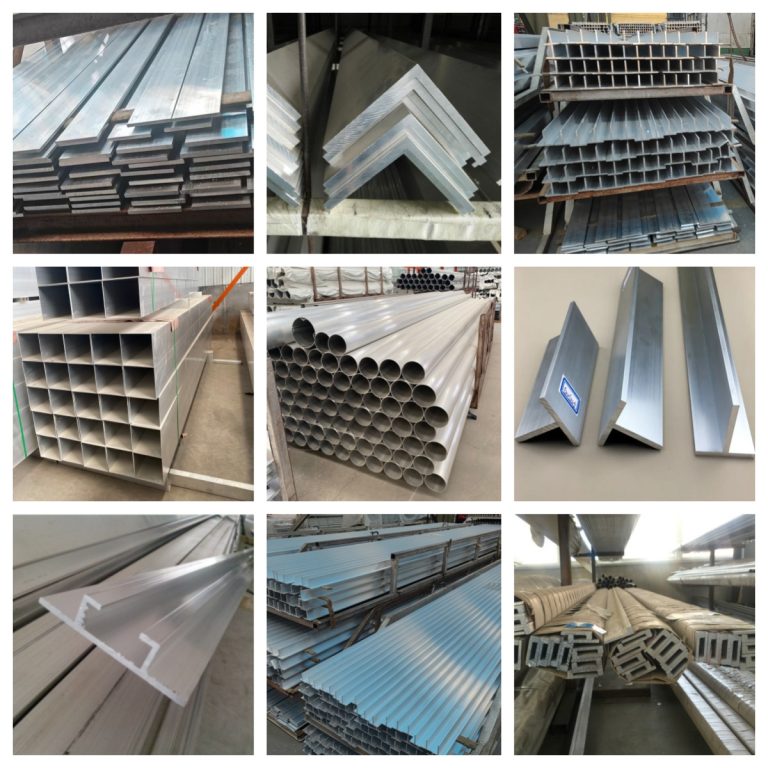
Comprehensive Range of Marine Aluminum Profile Shapes
From simple flats to complex custom extrusions, marine aluminum profiles are engineered to meet every shipbuilding need.
Marine Aluminum Flat Profiles
Used for stiffeners, backing strips, base plates, and flooring. Available in all marine alloys, with thicknesses and widths tailored to structural requirements.
Marine Aluminum Angle Profiles
Essential for framing, connections, and edge protection. Equal and unequal leg angles provide versatile solutions for reinforcing joints and corners.
Marine Aluminum Channel Profiles
Ideal for stringers, guides, and support tracks. Channels offer high strength-to-weight ratios for longitudinal and transverse stiffening.
Marine Aluminum Square & Rectangular Tubes
Widely used for railings, pillars, davits, and equipment supports. Their closed section provides excellent torsional rigidity.
Marine Aluminum Round Tubes
Common in piping systems, ventilation ducts, mast structures, and handrails. Available in various diameters and wall thicknesses.
Marine Aluminum I-beam / H-beam Profiles
Critical for primary load-bearing structures such as keels, deck beams, and hull frames. H-beams offer high bending strength with minimal weight.
Marine Anti-slip Deck Profiles
Specifically extruded with raised patterns (diamond, chevron, or grooved) to provide secure footing on decks, walkways, and ramps, even in wet conditions.
Custom Special-shaped Marine Profiles
For unique design requirements, custom extrusions can be developed. Whether it’s a complex multi-void section or a profile with integrated attachment features, manufacturers can produce dies to match exact customer specifications using alloys like 5083, 6061, or 6082.

International Classification Society Certifications
For marine applications, compliance with recognized standards is non-negotiable. High-quality marine aluminum profiles are manufactured and tested to meet the rigorous requirements of leading classification societies. When sourcing materials, ensure they come with certified mill test reports (MTRs) and, if required, third-party inspection from:
- CCS (China Classification Society)
- ABS (American Bureau of Shipping)
- DNV (Det Norske Veritas – now DNV GL)
- LR (Lloyd’s Register)
- NK (Nippon Kaiji Kyokai)
- BV (Bureau Veritas)
These certifications verify that the material composition, mechanical properties, and manufacturing processes meet the highest international standards for safety and durability at sea.


Why Choose Marine Aluminum Profiles?
- Corrosion Resistance: Grades like 5083 and 6082 naturally resist pitting and crevice corrosion from seawater.
- Weight Savings: Aluminum is approximately one-third the density of steel, enabling faster vessels, fuel savings, and increased payload.
- Low Maintenance: No need for heavy anti-corrosion coatings; anodizing or simple painting is often sufficient.
- Recyclability: Aluminum is 100% recyclable without loss of properties, supporting sustainable shipbuilding practices.


Whether you are constructing a high-speed ferry, a workboat, or an offshore platform, selecting the right marine aluminum profile—backed by proper alloy selection and class certification—is the foundation of a successful project. Contact a trusted supplier today to discuss your specific shape requirements and material needs.