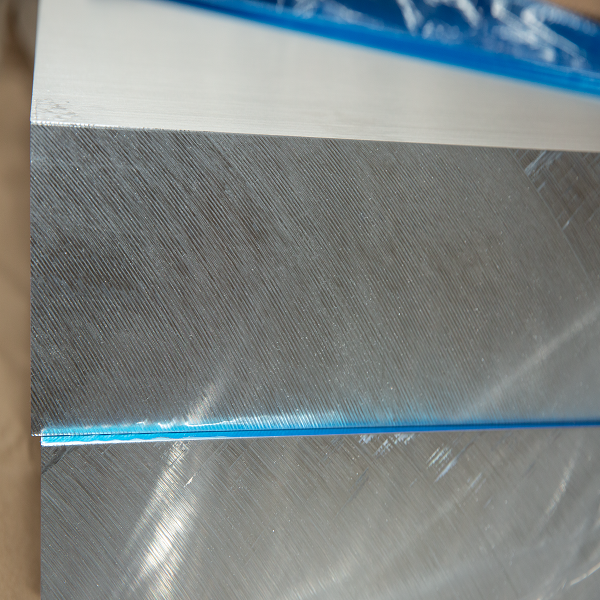
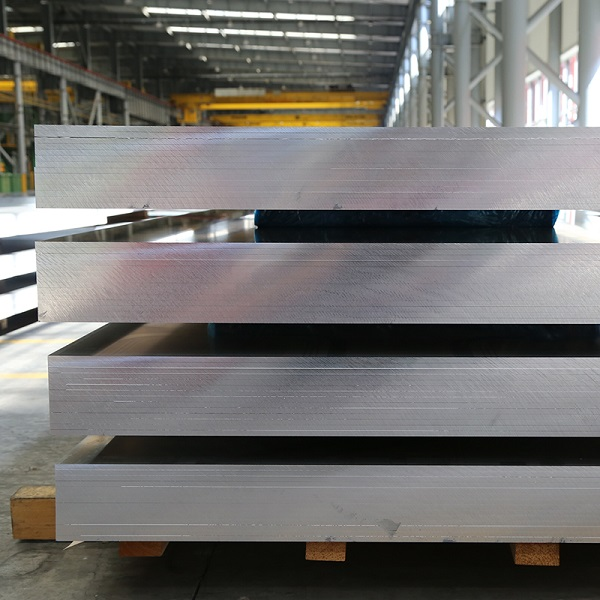
Aluminum has become a standard material in the marine industry, valued for its combination of light weight, strength, and natural resistance to saltwater corrosion. For shipbuilders and offshore fabricators, selecting the right aluminum plate with proper certification is a critical first step.
We supply marine grade aluminum plates that are resistant to attack by both seawater and harsh industrial environments. Our products are backed by certification from DNV, BV, ABS, LR, and CCS — classification societies recognized worldwide.
Which Alloys Are Used in Marine Applications?
Not all aluminum alloys perform well in marine conditions. The 5000 series (aluminum-magnesium alloys) is the most common choice due to its excellent corrosion resistance and good weldability.
| Сплав | Темпер | Key Properties | Primary Marine Use |
|---|---|---|---|
| 5083 | O / H32 / H116 / H321 | Highest strength among marine alloys, excellent seawater corrosion resistance, good weldability | Hulls, superstructures, deckhouses, offshore platforms |
| 5086 | O / H32 / H116 | Similar to 5083 with slightly lower strength but better formability | Smaller vessels, fuel tanks, marine equipment |
| 5052 | O / H32 / H34 | Good corrosion resistance, moderate strength, excellent formability | Fuel tanks, hydraulic tubing, electronic enclosures |
| 5754 | O / H22 / H32 | Good corrosion resistance, good formability, weldable | Workboat components, superstructures, storage tanks |
| 6061 | T6 / T651 | Good corrosion resistance with higher strength than 5000 series (but lower weld strength) | Masts, booms, railings, structural supports |
5083 is the most widely specified alloy for larger vessels and offshore structures due to its combination of high strength (tensile strength up to 330 MPa in H116 temper) and outstanding corrosion resistance.
Алюминиевый лист 5083
Key Properties of Marine Grade Aluminum
| Property | Benefit |
|---|---|
| Low density (approx. 2.7 g/cm³) | One-third the weight of steel, improving fuel efficiency and vessel speed |
| Natural oxide layer | Self-protecting against saltwater corrosion without additional coatings |
| Good low-temperature toughness | Maintains impact resistance in cold seawater conditions |
| Non-sparking | Safe for use in fuel tank and enclosed space applications |
| Recyclable | End-of-life vessels can be recycled, reducing environmental impact |
Certification and Traceability
For marine applications, material certification is not optional — it is a requirement. Plates used in hull construction, structural components, and critical systems must be traceable and certified by an authorized classification society.
We supply marine aluminum plates with the following certifications:
- DNV (Det Norske Veritas) – Widely accepted for vessels calling on European and international ports
- BV (Bureau Veritas) – Common for French-influenced markets and offshore projects
- ABS (American Bureau of Shipping) – Standard for North American and international vessels
- LR (Lloyd’s Register) – Recognized globally, particularly for British and Commonwealth shipping
- CCS (China Classification Society) – Accepted for vessels built in or calling on Chinese ports
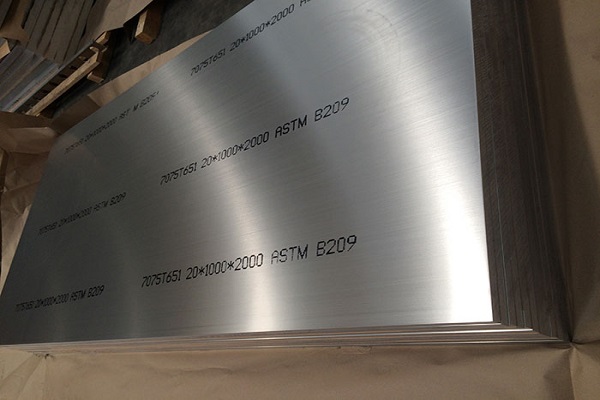
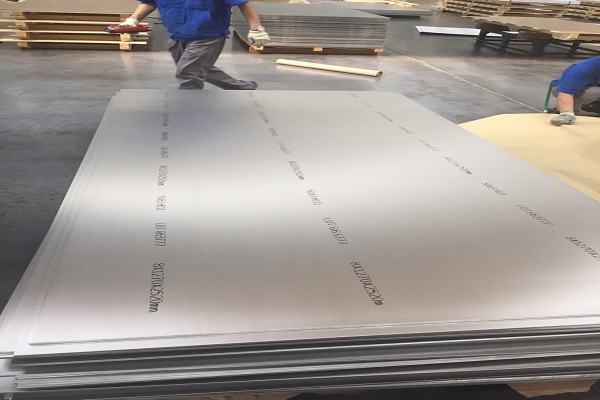
Each plate is clearly marked with the classification society stamp, heat number, alloy, temper, and dimensions. Mill test certificates (MTC) are provided with every shipment, showing chemical composition and mechanical properties.
Aluminum Sheet 5083 H116/H321 with CCS/DNV/ABS/BV/LR Certificate for Ship building, yachts
Common Sizes and Dimensions
Marine aluminum plates are typically ordered in sizes that optimize cutting yield for hull sections and structural components.
| Thickness (mm) | Width (mm) | Length (mm) | Common Alloys |
|---|---|---|---|
| 3 – 6 | 1500 – 2000 | 3000 – 6000 | 5083, 5086, 5754 |
| 6 – 12 | 1500 – 2500 | 4000 – 8000 | 5083, 5052 |
| 12 – 25 | 1500 – 2500 | 4000 – 8000 | 5083, 6061 |
| 25 – 50 | 1500 – 2000 | 4000 – 6000 | 5083, 6061 |
| 50 – 100 | 1200 – 1500 | 3000 – 5000 | 5083 |
Custom cutting service:
For specific hull plate dimensions or smaller components, we offer precision cutting services to reduce scrap and fabrication time.
Fabrication Considerations
Working with marine grade aluminum requires some adjustments compared to steel:
Welding
- Use filler alloys 5356 (for 5083, 5086, 5754) or 4043 (for 6061)
- MIG welding is most common for plate joining
- Preheat is generally not required for plates under 50mm thickness
- Avoid overheating to maintain corrosion resistance
Forming
- 5083 in H116/H321 temper has good cold formability for moderate bends
- For tight radius bends, O temper material may be required
- Springback is less than steel but should be considered in die design
Cutting
- Plasma cutting is efficient for thicker plates
- Laser cutting produces clean edges for thinner gauges
- Saw cutting is suitable for straight lines on heavy plates
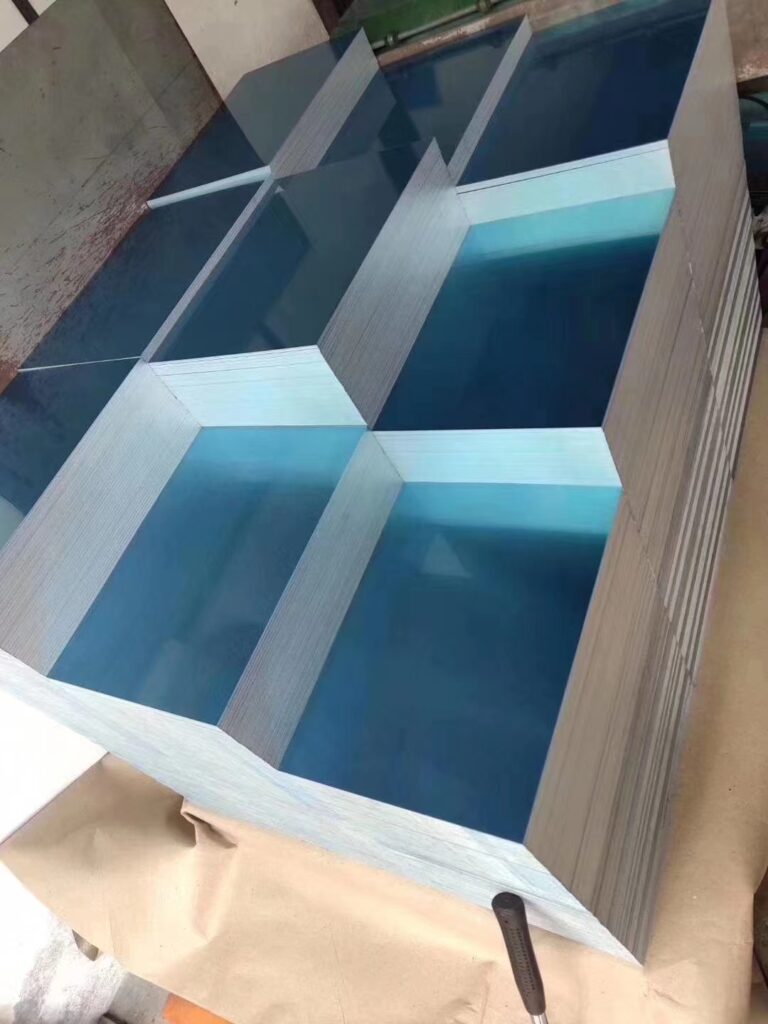
Aluminum Sheets for Boats
Quality Assurance
Each marine grade aluminum plate undergoes:
- Chemical composition analysis (per ASTM B209 / EN 573)
- Mechanical property testing (tensile, yield, elongation)
- Flattening and straightening to meet flatness standards
- Visual and dimensional inspection
- Heat number tracking from casting to final plate
Technical Support
Selecting the correct alloy, temper, and thickness for a marine project depends on factors such as vessel size, operating environment, welding requirements, and classification society rules. Our technical team can provide:
- Alloy and temper recommendations based on application
- Guidance on certification requirements for specific projects
- Fabrication advice for welding, cutting, and forming
- Assistance with material substitution when necessary
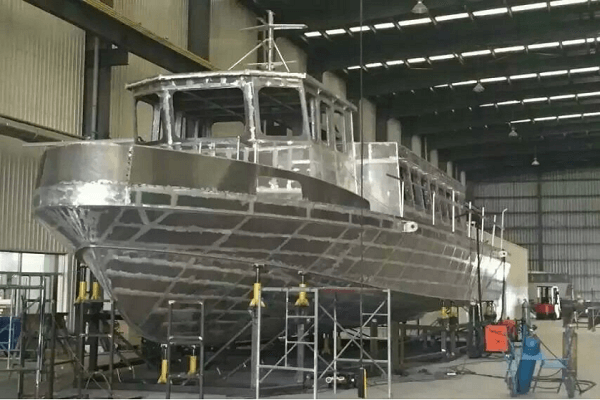
Why Marine Grade Aluminum?
Compared to steel, aluminum offers:
- 50-60% weight reduction for the same structural strength
- No painting required for corrosion protection in many applications
- Easier handling and installation
- Lower transportation costs
Compared to fiberglass composites, aluminum offers:
- Higher impact resistance
- Repairability through welding
- No UV degradation
- Full recyclability at end of service life
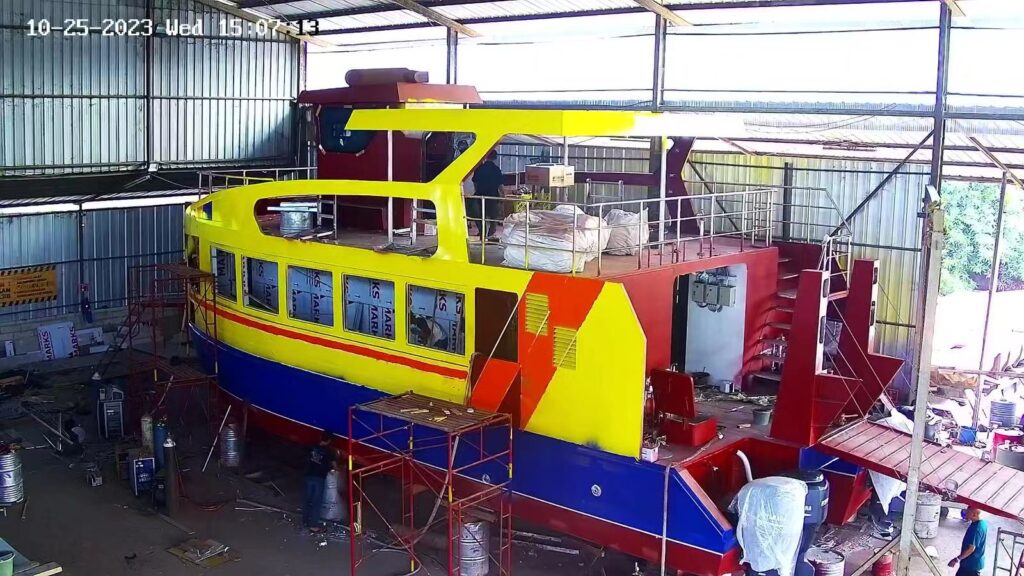
Supplying Marine Projects Worldwide
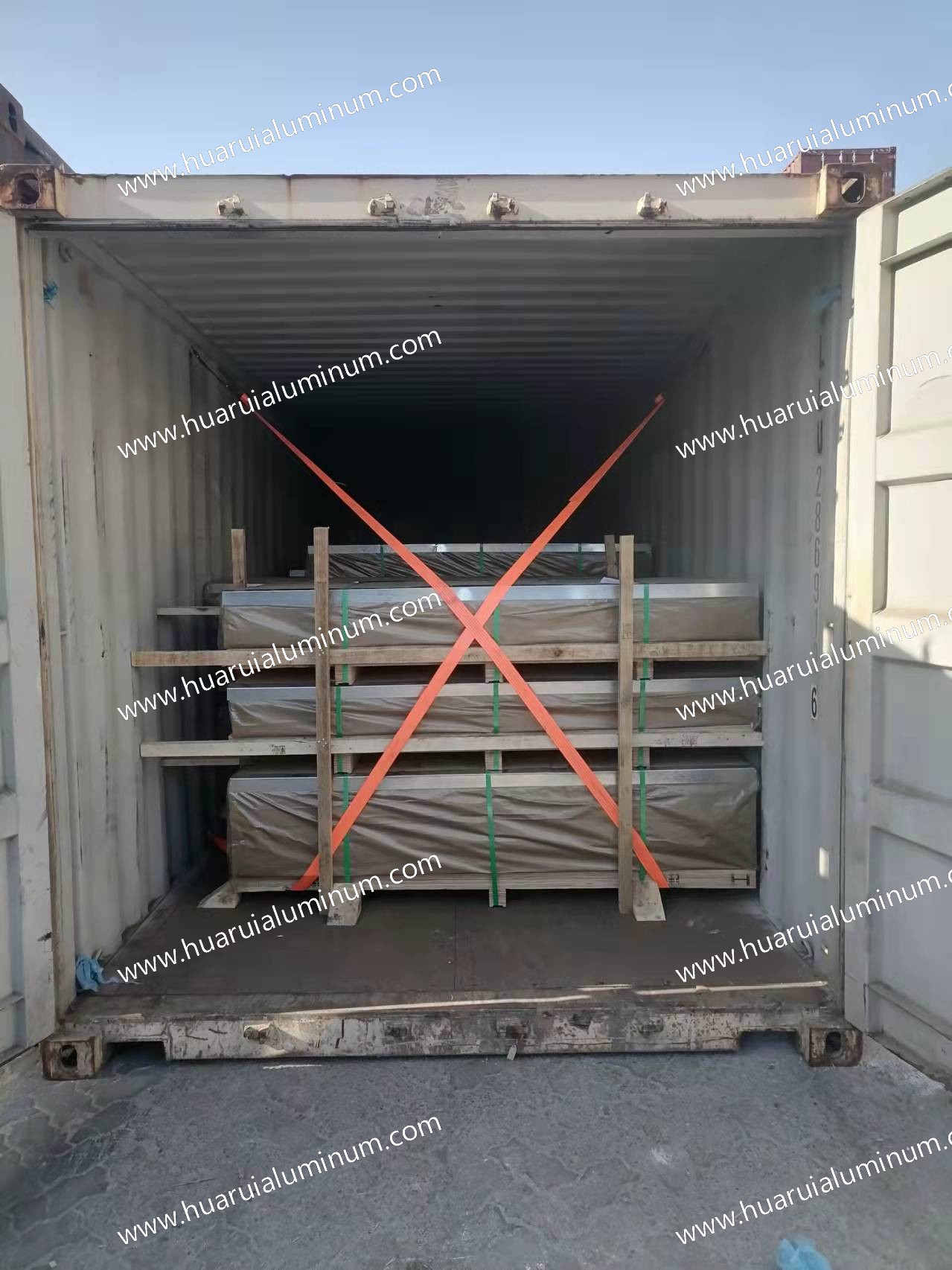
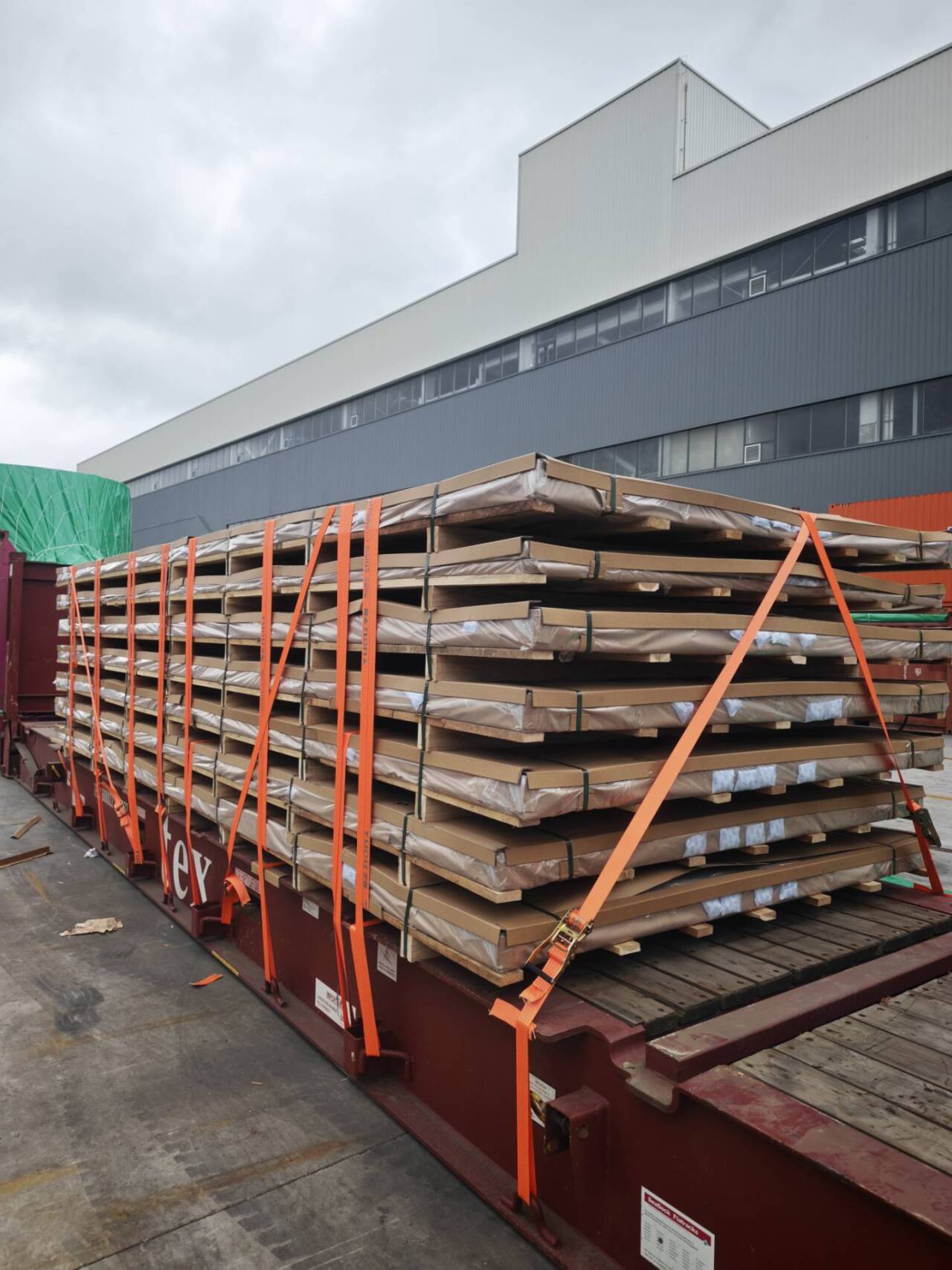
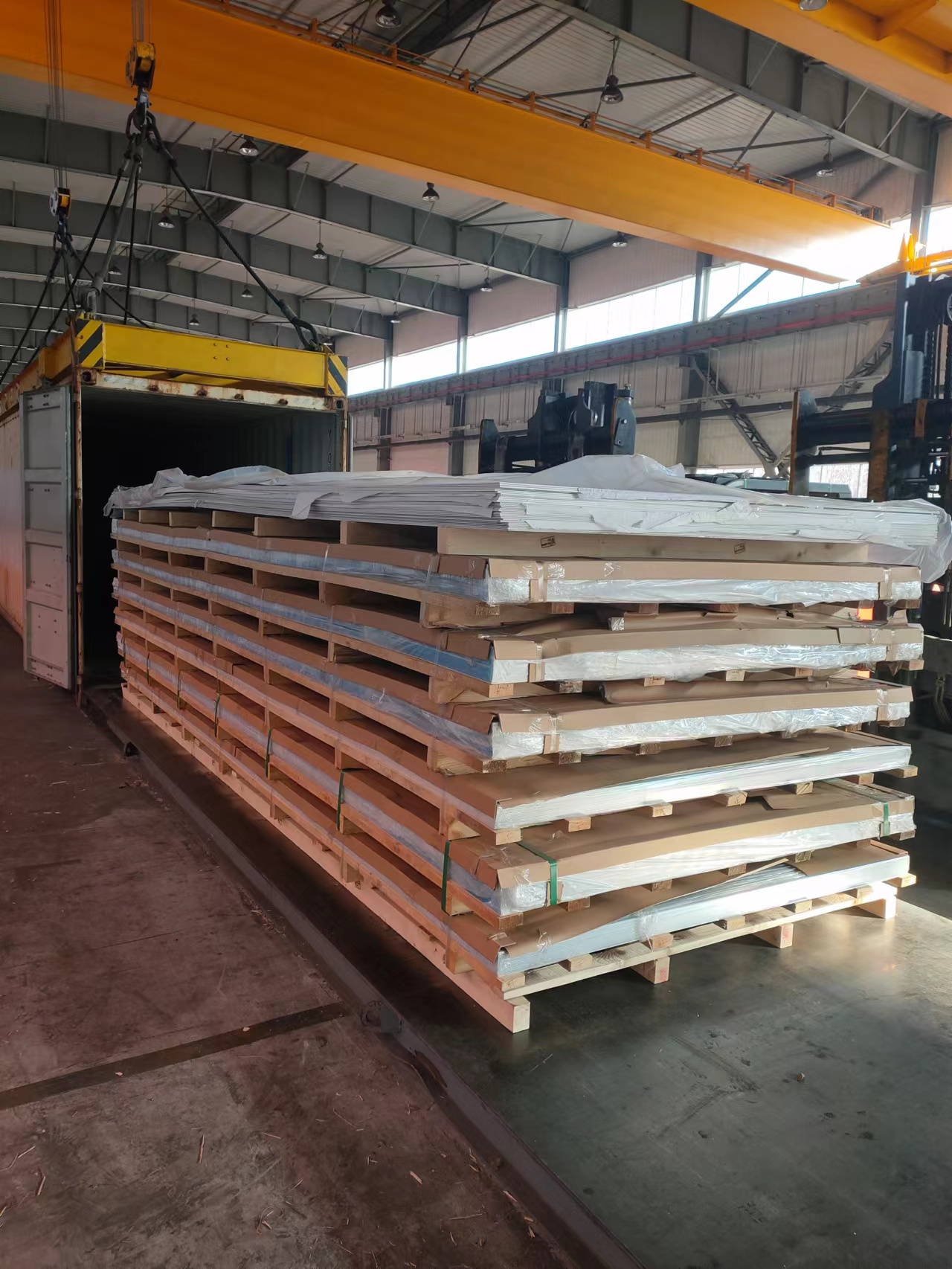
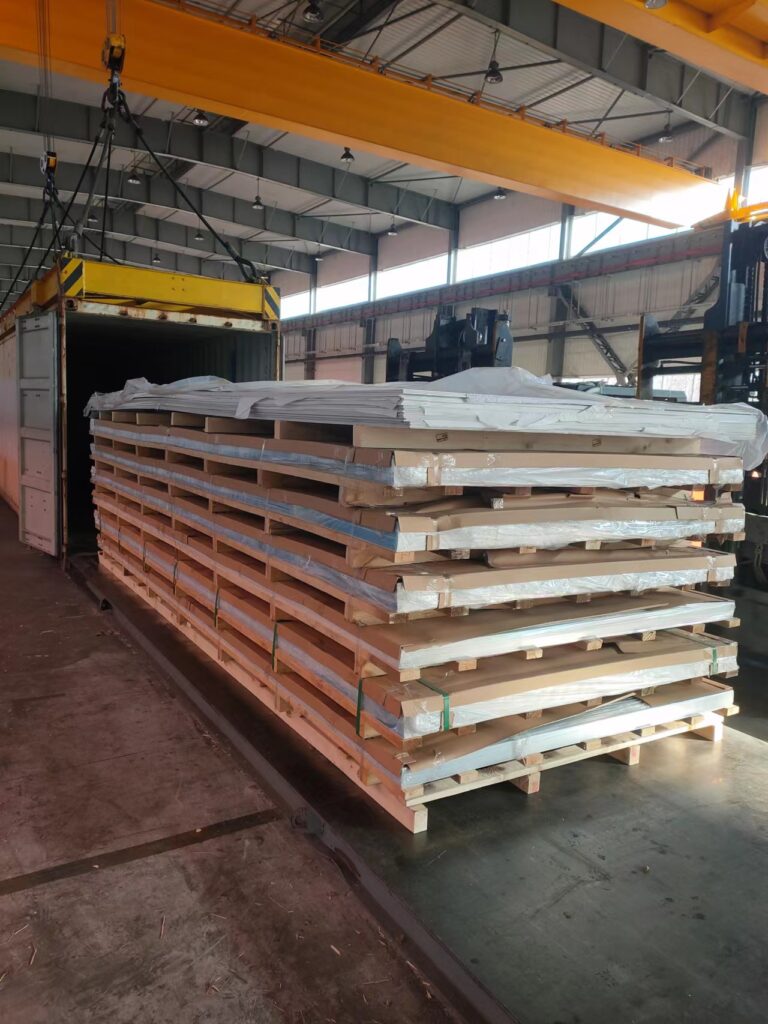
We have supplied marine grade aluminum plates to shipyards, repair facilities, and offshore fabricators across North America, Europe, Southeast Asia, and the Middle East. For each project, we ensure that material certification matches the classification society requirements specified by the customer.
Need certified marine aluminum plates for your next vessel or offshore project? [Contact us today] with your alloy, temper, thickness, size, and certification requirements for a competitive quote.