Shipbuilding and offshore fabrication require a coordinated set of aluminum products. From the hull shell to the deck surface, from structural framing to the welds that hold everything together, each component must meet specific performance and certification requirements.
We supply a complete range of marine-grade aluminum materials—plates, tread plates, extrusions, and welding wire—all backed by classification society certification and technical support.
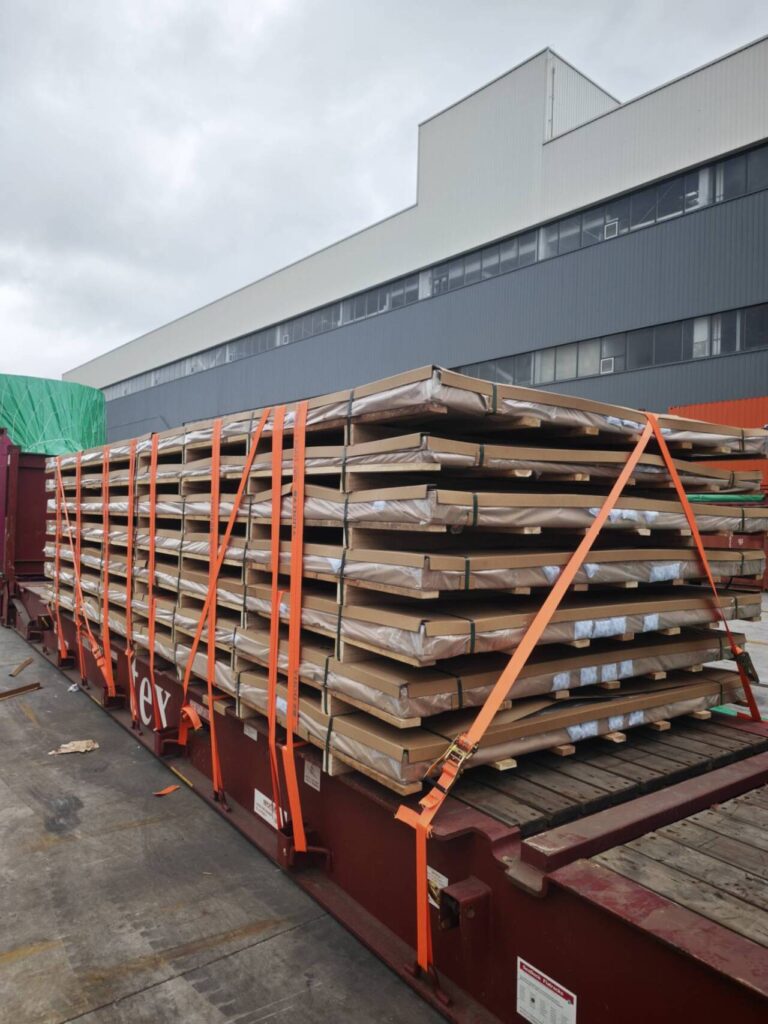
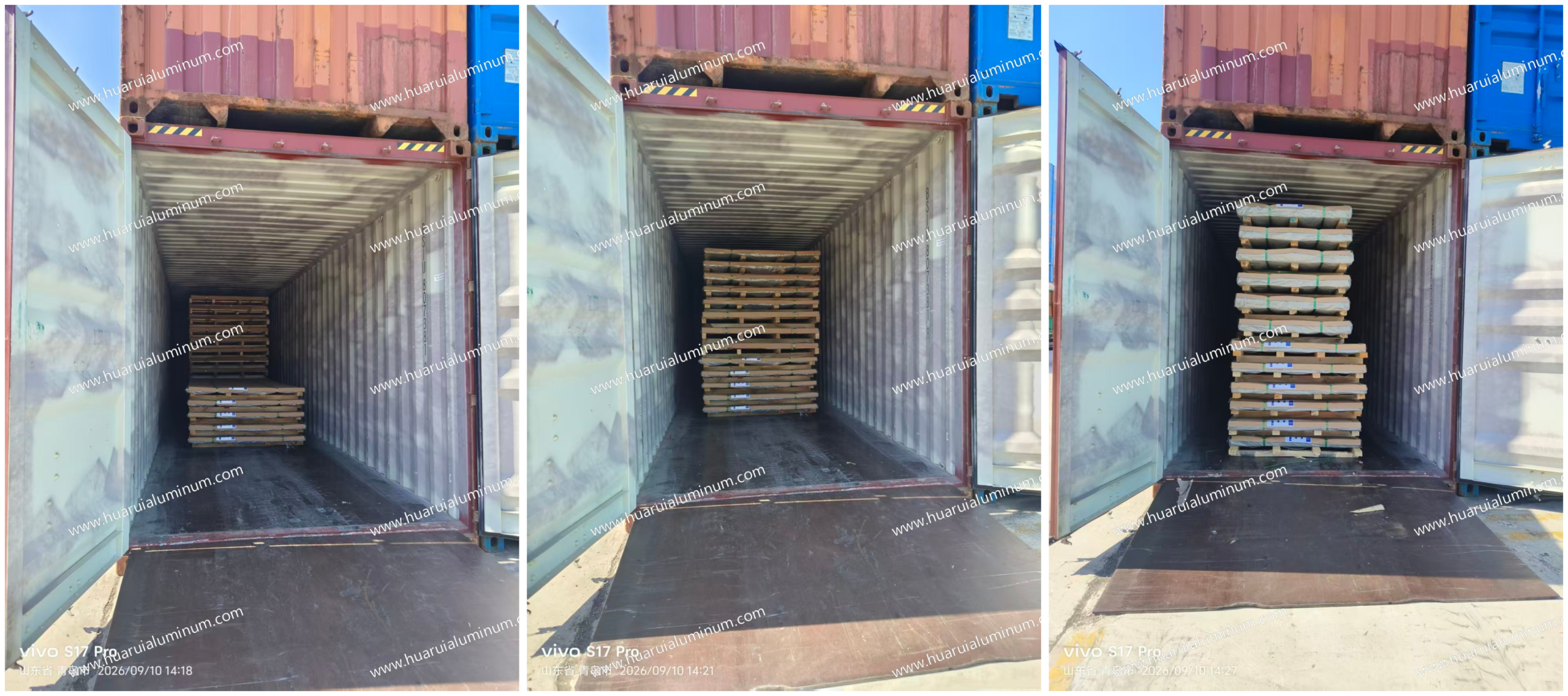
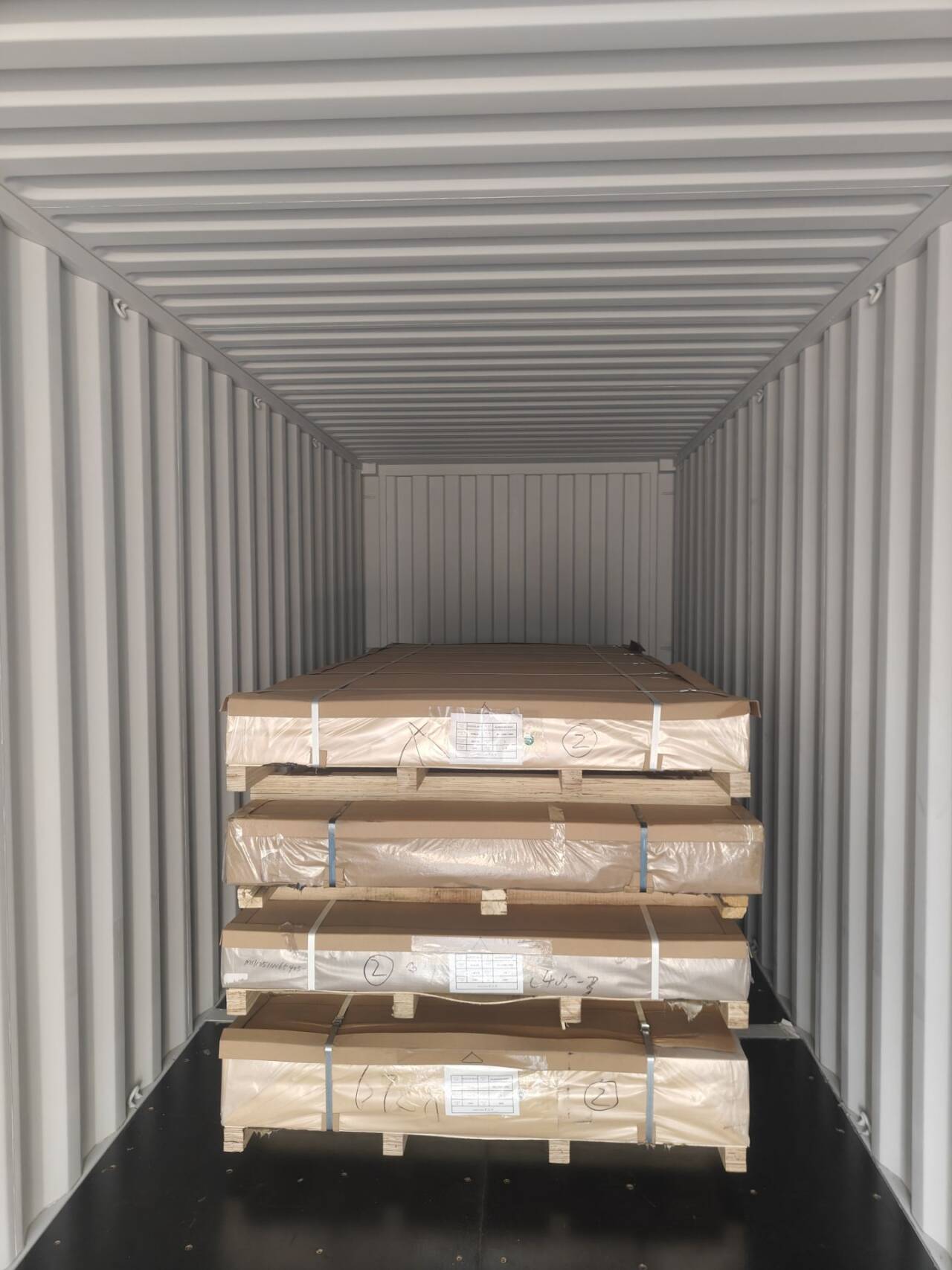
Marine Aluminum Plates: The Foundation of Vessel Construction
Aluminum plates form the primary structure of most aluminum vessels. The 5000 series alloys, strengthened by magnesium content, are the most common choice for marine service due to their excellent corrosion resistance and weldability .

5083 is the most widely specified plate alloy for larger vessels and offshore structures. Available in H116 and H321 tempers, it offers:
- Tensile strength up to 330 MPa
- Excellent resistance to seawater corrosion
- Good weldability with suitable filler alloys
- Proven performance in hulls, superstructures, and deckhouses
We supply 5083 plates with certification from DNV, BV, ABS, LR, CCS, and NK—recognized classification societies worldwide. Each plate is stamped with the society mark, heat number, and full traceability information.
5052, 5086, and 5754
- 5052 – Moderate strength with excellent formability, suitable for fuel tanks, hydraulic tubing, and electronic enclosures
- 5086 – Similar to 5083 with slightly lower strength but better stress corrosion resistance, ideal for offshore platform structures and hull bottoms
- 5754 – Good corrosion resistance and formability, used in workboat components and superstructures
| Alloy | Temper | Tensile Strength (MPa) | Primary Application |
|---|---|---|---|
| 5083 | H116 / H321 | Up to 330 | Hulls, decks, offshore platforms |
| 5086 | H32 / H116 | 240 – 290 | Offshore structures, tanks |
| 5052 | H32 / H34 | 210 – 260 | Fuel tanks, marine equipment |
| 5754 | H22 / H32 | 190 – 240 | Workboat components, storage tanks |
Common Stock Sizes
| Thickness (mm) | Width (mm) | Length (mm) |
|---|---|---|
| 3 – 12 | 1500 – 2000 | 3000 – 8000 |
| 12 – 25 | 1500 – 2500 | 4000 – 8000 |
| 25 – 50 | 1500 – 2000 | 4000 – 8000 |
Aluminum Tread Plate (Checker Plate): Slip-Resistant Deck Surfaces
For decking, walkways, ramps, and ladder treads, aluminum tread plates (also known as checker plates or floor plates) provide essential slip resistance in wet marine conditions.

Common Alloys and Patterns
| Alloy | Temper | Pattern Type | Typical Application |
|---|---|---|---|
| 5052 | H32 / H34 | Five-bar / diamond | Decks, walkways, ramps |
| 5086 | H32 | Five-bar / diamond | Offshore platforms, heavy-duty decks |
| 5754 | H32 | Diamond | Ladder treads, hatch covers |
| 3003 | H14 | Diamond | Interior decking, less exposed areas |
Key Features:
- One-piece rolling process for consistent pattern depth
- Excellent slip resistance even when wet
- Good corrosion resistance in marine environments
- Reduced weight compared to steel tread plate
- Available with classification society certification upon request
Common Sizes
| Thickness (mm) | Width (mm) | Length (mm) |
|---|---|---|
| 2.0 – 3.0 | 1220 – 1500 | 2440 – 3000 |
| 3.0 – 6.0 | 1220 – 1500 | 2440 – 4000 |
| 6.0 – 8.0 | 1220 – 1500 | 2440 – 4000 |
Aluminum Extrusions: Structural Framing and Profiles
Extrusions are essential for vessel framing, superstructures, and outfitting components. Most marine extrusions are produced from 6000 series alloys, which combine strength, corrosion resistance, and excellent extrudability .

Common Extrusion Alloys
| Alloy | Temper | Key Properties | Typical Application |
|---|---|---|---|
| 6061 | T6 | Good corrosion resistance, weldable, machinable | Masts, booms, railings, structural supports |
| 6063 | T5 / T6 | Excellent extrudability, good corrosion resistance | Window frames, handrails, trim |
| 6082 | T6 | Higher strength than 6061, good weldability | Heavy structural framing, equipment mounts |
Profile Types We Supply:
- T-bars – For stiffeners and framing members
- Angles (equal and unequal) – For corner connections and bracing
- Channels – For structural framing and track systems
- Flat bars – For stiffeners and edge protection
- I-beams – For heavy structural applications
- Round and square tubes – For handrails, pipe systems, and supports
- Custom profiles – Extruded to customer drawings for specific vessel designs
Certification: Extrusions can be supplied with classification society certification where required by project specifications.
Aluminum Welding Wire: The Critical Consumable
The performance of welded aluminum structures depends heavily on selecting the correct filler alloy. For marine fabrication, the filler must control hot cracking risk, achieve required weld strength, and match corrosion resistance requirements .

Common Filler Alloys for Marine Applications
| Filler Alloy | AWS Classification | Typical Base Metal Match | Key Characteristics |
|---|---|---|---|
| ER5183 | A5.10 | 5083, 5086 | Highest strength for 5xxx plates; preferred for hull welding |
| ER5356 | A5.10 | 5052, 5083, 5086, 6061 | Good strength and color match; avoid sustained high-temperature service |
| ER5556 | A5.10 | High-strength 5xxx structures | High weld strength for selected alloys |
| ER4043 | A5.10 | 6061, 6082, 6063 extrusions | Good fluidity, lower cracking sensitivity; poor anodized color match |
| ER4943 | A5.10 | 6061, 6082, 6063 | Similar to 4043 with improved as-welded strength |
Selection Guidance:
- For 5083 hull plates, ER5183 or ER5356 are commonly specified
- For 6061 or 6082 extrusions, ER4043 or ER5356 are typical choices depending on strength and finishing requirements
- For mixed 5xxx and 6xxx assemblies, ER5356 often provides a good compromise
Quality and Certification:
- Manufactured to AWS A5.10/A5.10M or ISO 18273 standards
- Mill test certificates showing chemical composition and batch traceability are provided
- Sealed spool packaging with desiccant to prevent moisture contamination
- Available diameters: 0.8 mm, 1.0 mm, 1.2 mm, and 1.6 mm
Fabrication Note: For 5xxx alloys, avoid using magnesium-rich fillers such as ER5356 in sustained service above approximately 65°C unless engineering approval is documented, as this may increase stress corrosion cracking risk .
Certification and Traceability
All products supplied for marine projects can be provided with full traceability and classification society certification:
Available Certification:
- DNV (Det Norske Veritas)
- BV (Bureau Veritas)
- ABS (American Bureau of Shipping)
- LR (Lloyd‘s Register)
- CCS (China Classification Society)
- NK (Nippon Kaiji Kyokai)
Documentation Provided:
- Mill test certificates (MTC) per EN 10204
- Chemical composition and mechanical property reports
- Heat number traceability
- Classification society stamps on certified materials
Technical Support
Selecting the correct combination of plate alloy, tread plate pattern, extrusion profile, and welding wire depends on factors such as vessel design, operating environment, welding procedures, and classification rules.
Our technical team can provide:
- Alloy and temper recommendations for specific applications
- Welding procedure guidance and filler selection
- Support with certification and documentation requirements
- Custom cutting and processing services for plates and tread plates
- Custom extrusion design assistance
Supplying Complete Packages to Shipyards Worldwide
We have supplied integrated material packages to shipyards, repair facilities, and offshore fabricators globally. By coordinating plates, tread plates, extrusions, and welding wire from a single source, we help customers reduce procurement complexity and ensure material compatibility.

Need a complete aluminum package for your next vessel or offshore project? [Contact us today] with your specifications, certification requirements, and quantity needs for a competitive quote.